A MOVEABLE READ BLOG
This section of the website serves as a journal space for ongoing discussions on a variety of subjects but not limited to, Hemingway, literature, and the arts. Authors both named and possibly unnamed will post on all manner of topics and discussions. Please note while the Ernest Hemingway Foundation of Oak Park (EHFOP) will moderate this page, it does not mean that we condone or sanction any specific viewpoint. If you are interested in posting to the page, please contact us HERE with specifics and we will advise on next steps for possible publication on our site.
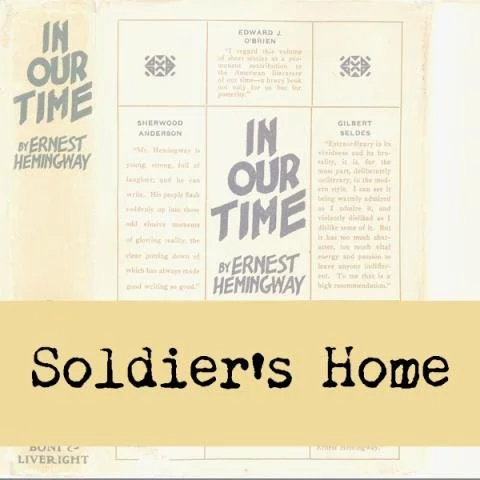
In “Soldier’s Home,” the incestuous implications of what is said by the protagonist’s younger sister (Helen) are far from subtle, and they arouse discomfort if read too closely. Most reviewers have chosen to ignore those implications; they remark on Helen’s “sweetness,” her “innocence” and even “purity.” However, there is nothing innocent in what she is actually saying, only in her presumed obliviousness as she says it.
Ernest Hemingway’s short fiction brims with both violence and sex. Due to the restrictions of his time, the sex is rarely graphic. Sexual matters are broached via hints, euphemisms, and half-finished sentences. In the story discussed in this essay, for example, we are told repeatedly that the main character “wants a girl”; we have to infer what he wants one for.
In his article, “Ernest Hemingway in Chicago,” recently published in “Classic Chicago Magazine,” author Scott Holleran takes the reader on a tour of places and people around the world important throughout Hemingway’s life.
Grace Hall Hemingway was very close to her only sibling, Leicester Hall, and gave her last son her brother’s name—as she had given her first son his maternal grandfather’s name. Their correspondence (in the Hemingway family papers at the University of Texas) documents the mutual sensitivity and concern of Grace and her brother during and after the Spanish influenza period. This article is republished from the Hemingway Foundation Spring/Summer Dispatch 2008
We look back at the 2018 Hemingway Shorts award winning piece by Veryan Williams-Wynn of Devon, United Kingdom, for her stunning story “The Empty Chair,” a piece that deftly explores what we say and don’t say inside a long marriage.
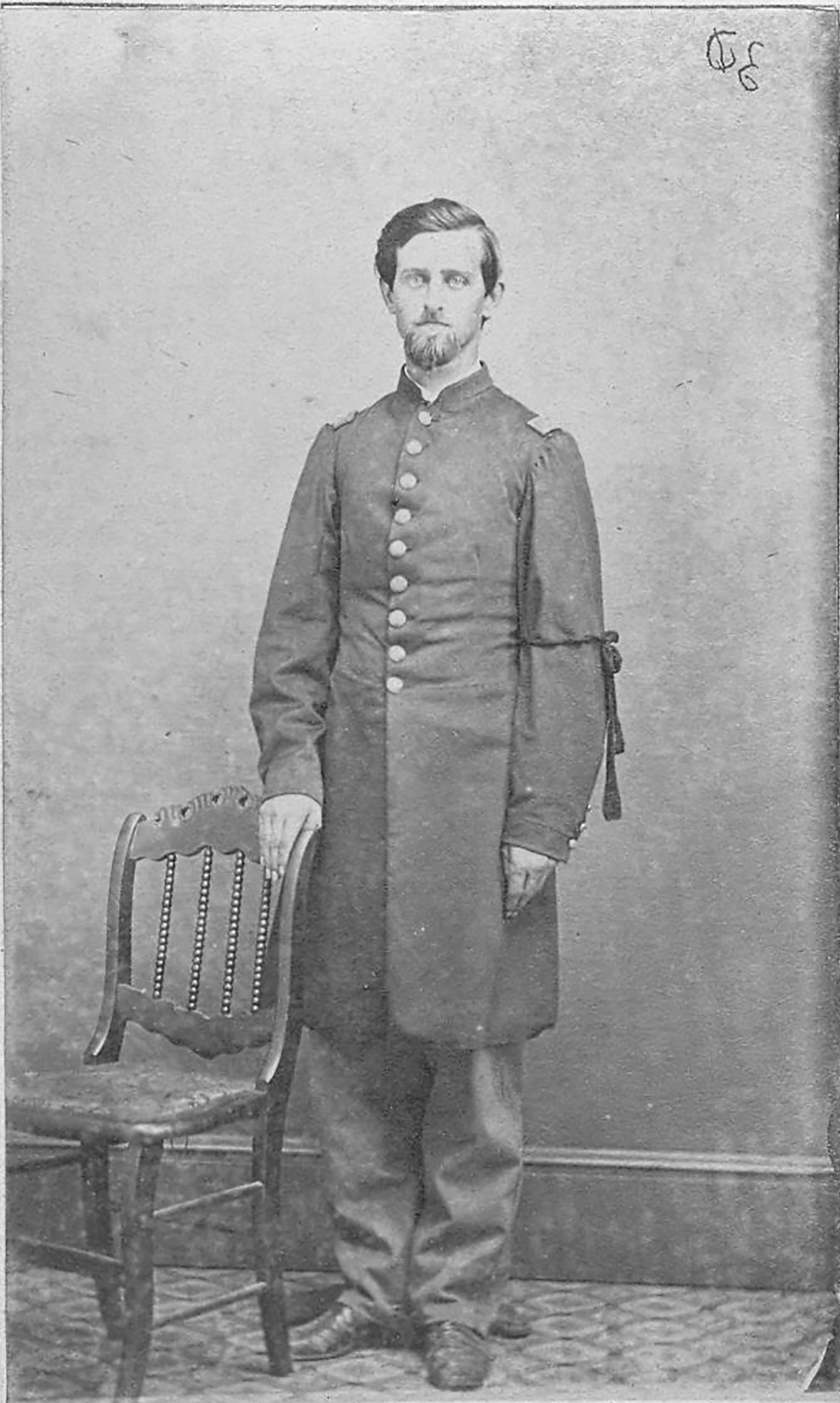
On January 1, 1863 the Emancipation Proclamation went into effect. By that date Allen and Harriet Louisa Tyler Hemingway, recent transplants from Connecticut to Illinois, had already buried one son and had two other sons serving in the Union Army.
In the closing years of World War I, 1917-1918, hundreds of American libraries, under an initiative of the American Library Association (ALA), launched the Library War Service, a project to send books to the doughboys fighting in the trenches. By the Armistice, nearly a million and a half books had been shipped to Europe.
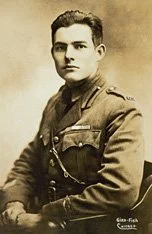
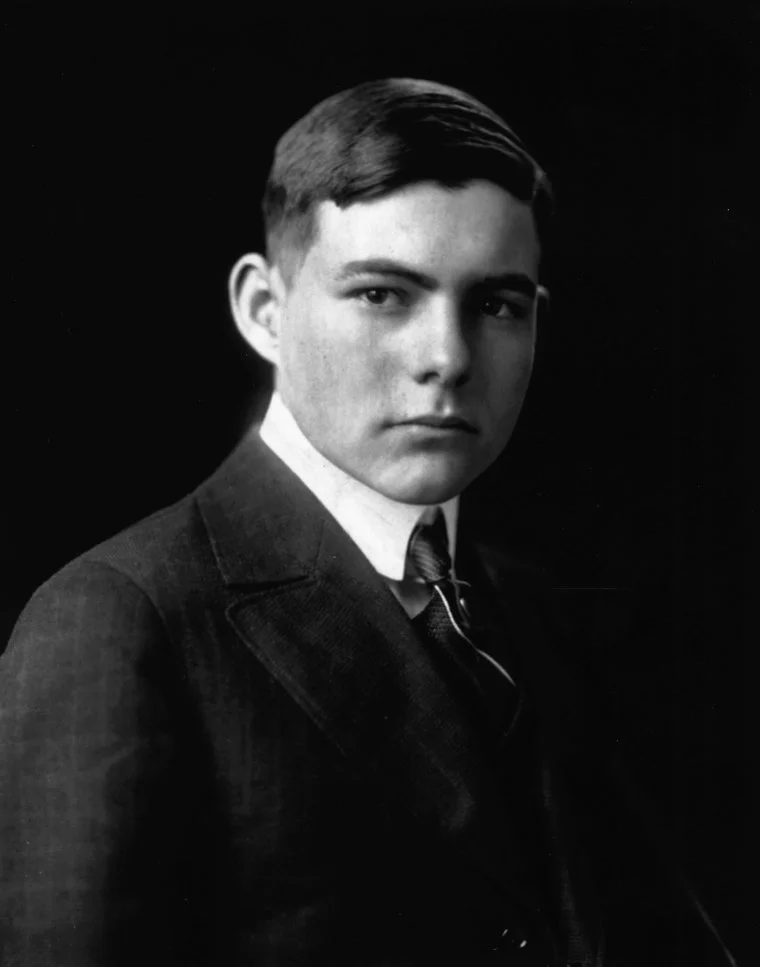
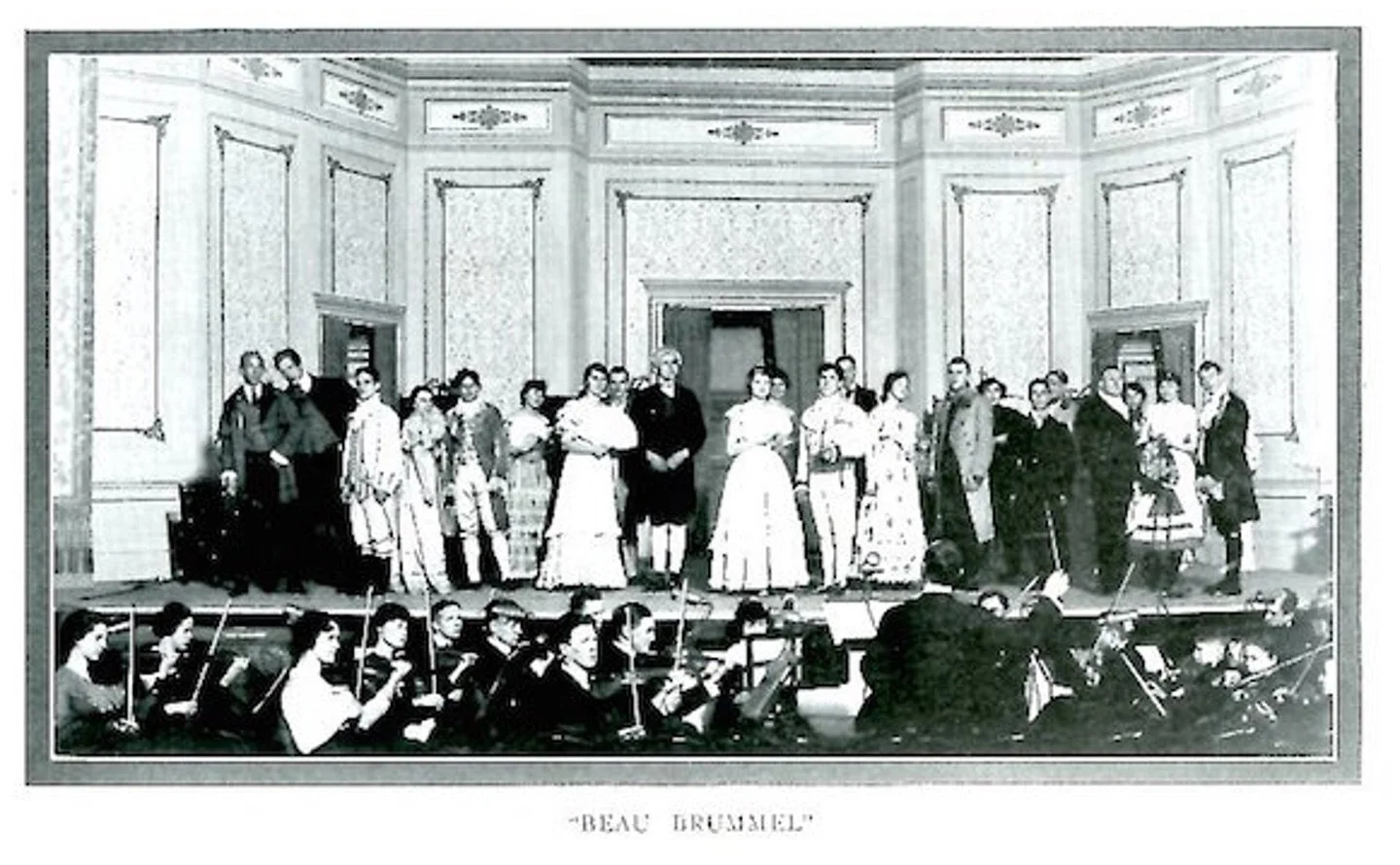
In 1917, while a senior at Oak Park High School, Hemingway got into a bit of trouble. He and some buddies got together and published an underground magazine called “Jazz Journal.” In the 1910s, “jazz” was by itself a suggestive word, carrying modern, even scandalous connotations (nightlife, sexual looseness).
He was sitting at the next table, a tall fat young man with spectacles. He had ordered a beer. I thought I would ignore him and see if I could write. So I ignored him and wrote two sentences.
Speaking of Willa Cather, can anyone of our readers place this Hemingway quote? (Noting his bumping iambs, his simple declarative clauses, his monosyllabic repetitions, and the Bachian musicality in “made me bite my tongue,” “When the straw settled down,” or “from under the buffalo hide.”)