
A MOVEABLE READ BLOG
This section of the website serves as a journal space for ongoing discussions on a variety of subjects but not limited to, Hemingway, literature, and the arts. Authors both named and possibly unnamed will post on all manner of topics and discussions. Please note while the Ernest Hemingway Foundation of Oak Park (EHFOP) will moderate this page, it does not mean that we condone or sanction any specific viewpoint. If you are interested in posting to the page, please contact us HERE with specifics and we will advise on next steps for possible publication on our site.
The Sunshine Pillow: Young Love and Life's Choices
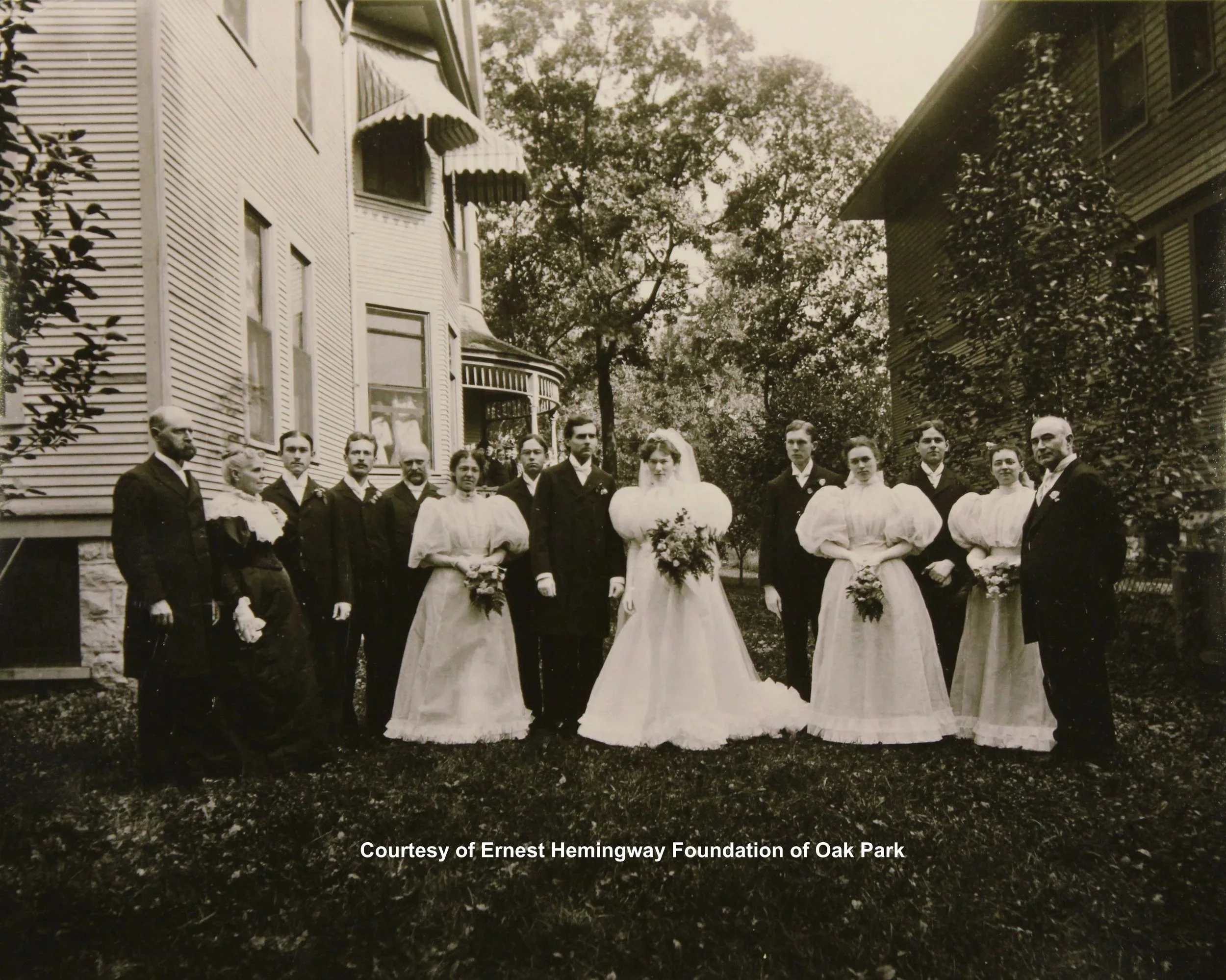
A handmade pillow, found 130 years later in an archive box, tells the story of how Ernest Hemingway's parents fell in love — including the opera career at the Metropolitan Opera Grace Hall nearly chose over marrying Ed Hemingway. Before she left for New York to study music, she left him a gift: a satin pillow. His pet name for her was Sunshine, and he'd call it his Sunshine Pillow.
Does Hemingway Still Matter?
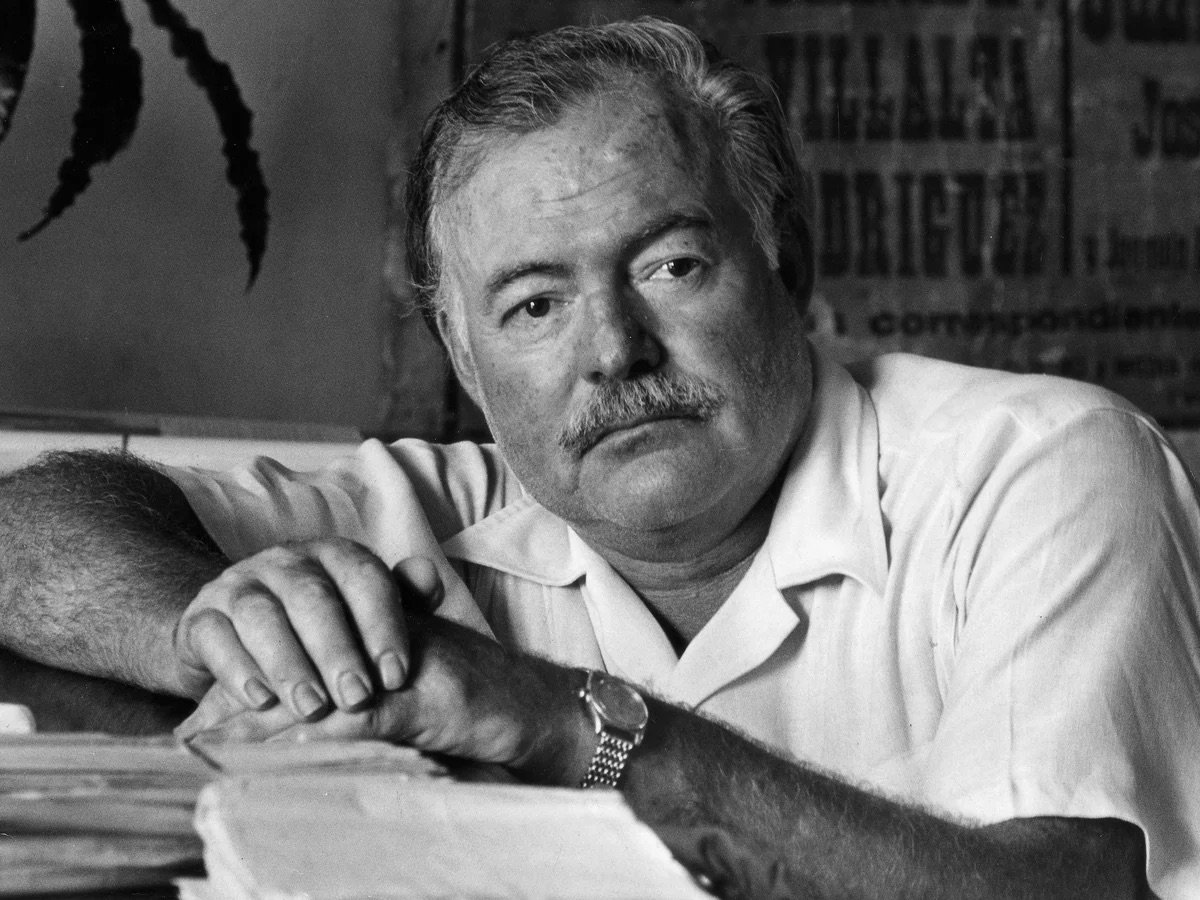
This essay briefly reviews the attacks on Hemingway but argues that the themes in Hemingway’s novels and short stories are as relevant today as they were 100 years ago. As modern readers grapple with the wars in Ukraine, the Middle East, and elsewhere, Hemingway’s themes of alienation, isolation, and disillusionment still seem relevant. Though Hemingway may no longer command uncritical admiration, his works continue to raise good questions about the character and roles of women, the definition of masculinity, and the costs of war.
Ernest Hemingway and G. K. Chesterton: From Journalism to Art
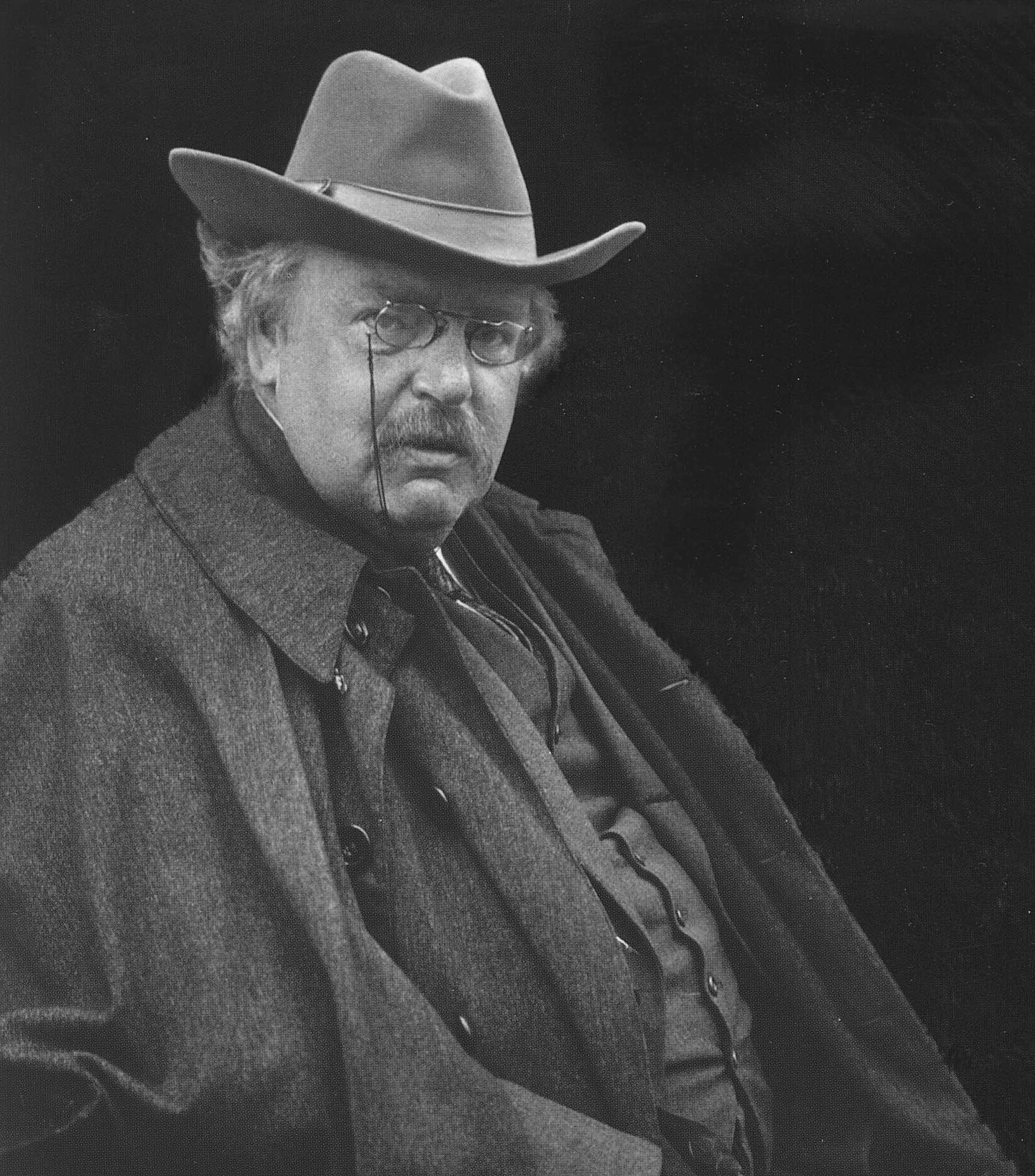
This truth was basic to Hemingway’s and Chesterton’s journalistic writing. They relied on their readers’ universal sensations, thoughts and feelings. They stirred them with vivid images and human interest stories. They drew readers along with familiar words arranged in clear, often poetic or dramatic patterns.
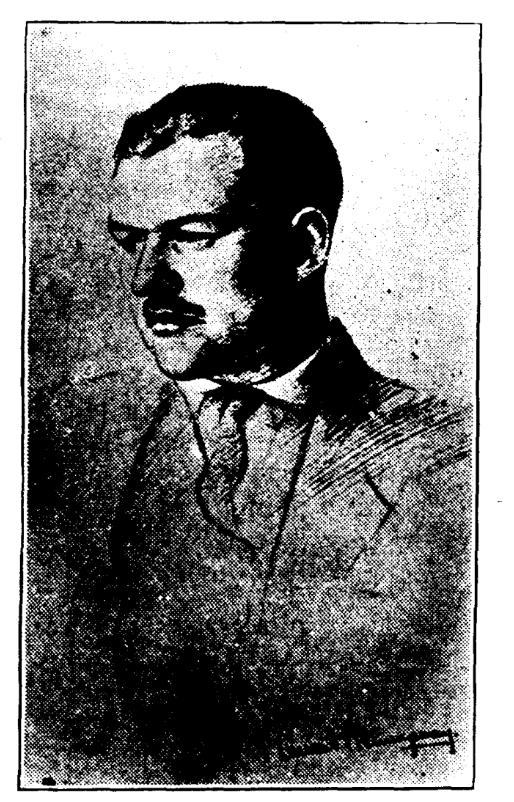
Local Press For The Sun Also Rises
With the publication of "The Sun Also Rises," issued by Charles Scribner's Sons, literary America has an opportunity to appraise the first full novel of an Oak Park writer who has already won wide attention at home and abroad.
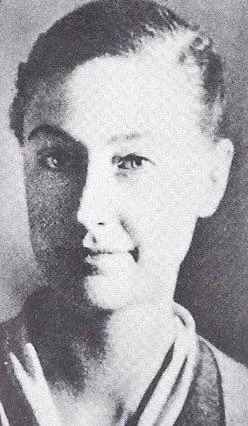
The New Woman in Hemingway: Brett Ashley, Catherine Barkley, and the Crisis of Gender After World War I
The First World War produced profound political, economic, and social transformations that fostered a period of social liberalism in the Western world. In the United States, the 1920s were marked by economic growth, new forms of leisure, and a belief in progress alongside social struggles. Within this context, the “flapper”—not just a dancer but a broader concept describing the post-war New Woman—emerged as a figure who challenged Victorian norms by embracing sexual freedom, public life, and new social behaviors. The ratification of the Nineteenth Amendment in 1920 reinforced a generational divide, granting women greater independence, although they remained subordinate in many areas such as politics and the workplace. This new female identity provoked anxiety and hostility, because it was perceived as a threat to traditional gender roles and moral values.
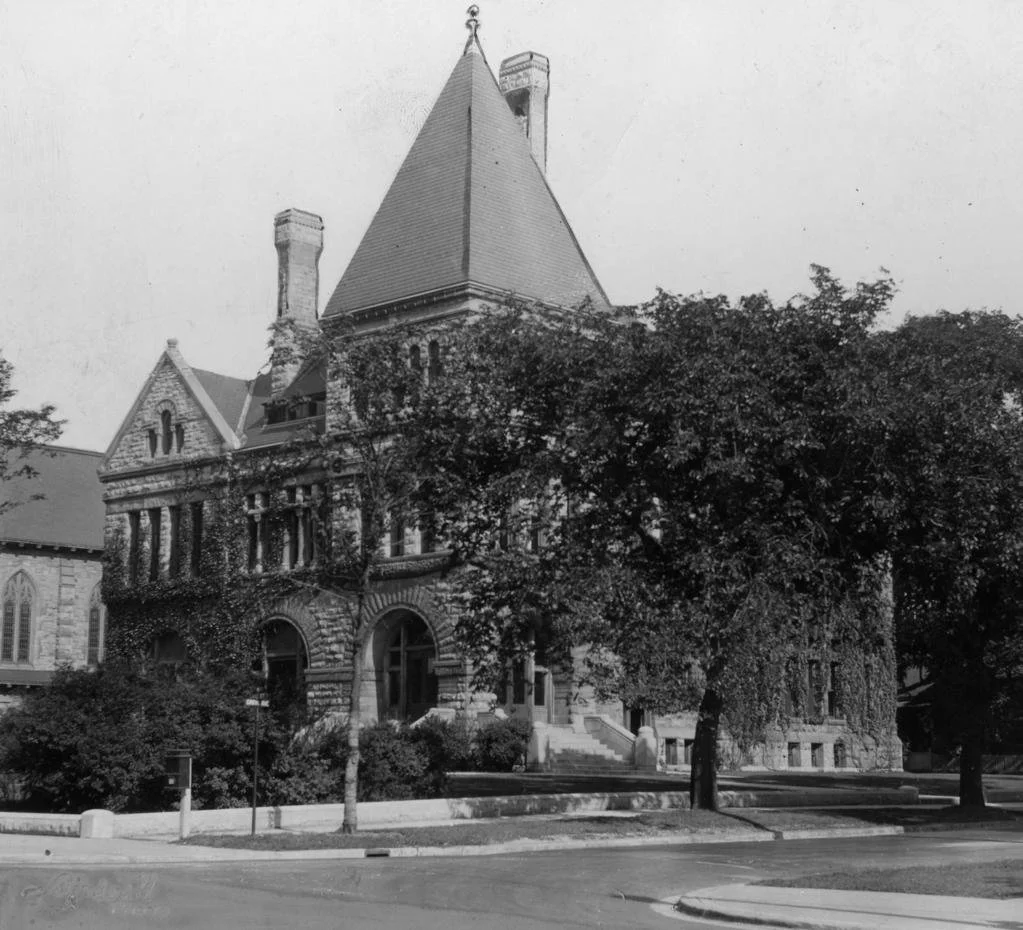
Pulitzer Prize-winning author expresses concern over his library fines
It’s 1953. Hemingway has won a Pulitzer Prize for The Old Man and the Sea, and is a year from winning the Nobel Prize. He is writing energetically and with renewed authority. He is also preparing for an African safari late in the year.
In a surprisingly endearing letter written from his Cuba home, Hemingway marks the anniversary of the Oak Park Public Library in Illinois and sends money to cover document copying (for sharing his letter) and, amusingly, for any library fines he may have accrued over the years. He also humbly asks if the Library might be interested in a complete autographed collection of his novels.
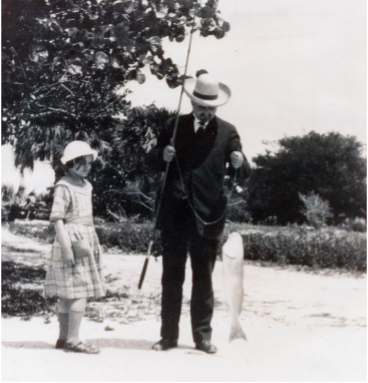
Dreams and Desperation: Ernest Hemingway’s Family in Pinellas County, Florida
When we think of the words Hemingway and Florida, we automatically picture the iconic estate of Ernest Hemingway in Key West. However, Ernest was not the first member of the Hemingway family to regularly visit the state. From at least 1909, his paternal grandparents, Anson and Adelaide (Edmonds) Hemingway, began winter visits to picturesque Sanibel Island, just off the coast from Fort Myers in Lee County.
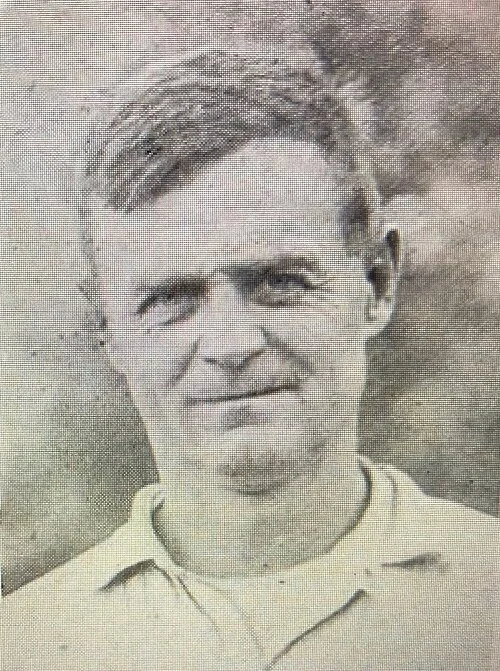
“Gloomy” Oak Park: Hemingway’s 1949 letter to the Oak Park Public Library
In what becomes a recurring theme in Hemingway’s letters to the Oak Park Public Library, he is frequently invited to visit Oak Park (IL) for a recognition celebration. Each year he turns them down in a friendly way for various reasons. In this case he is working hard on what became Across the River and into the Trees (1950). After publishing For Whom the Bell Tolls, Hemingway had gone through a dry spell in the 1940s in terms of a major novel. (His short story writing was still substantial.) So he was particularly driven to work on this book.
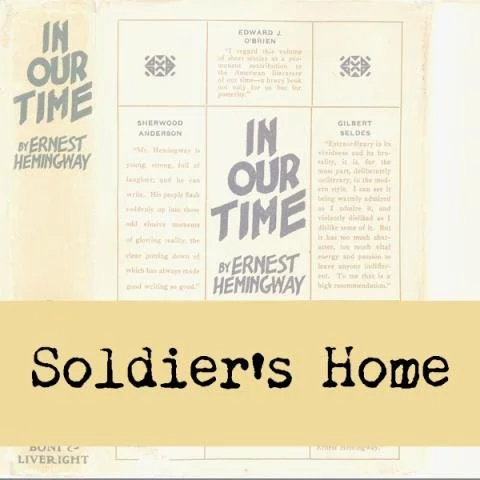
The Hidden Sexual Taboo in Hemingway’s “Soldier’s Home,” Part 2
In “Soldier’s Home,” the incestuous implications of what is said by the protagonist’s younger sister (Helen) are far from subtle, and they arouse discomfort if read too closely. Most reviewers have chosen to ignore those implications; they remark on Helen’s “sweetness,” her “innocence” and even “purity.” However, there is nothing innocent in what she is actually saying, only in her presumed obliviousness as she says it.
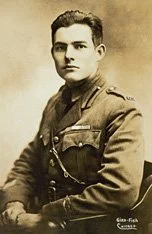
The Hidden Sexual Taboo in Hemingway’s “Soldier’s Home” Part 1
Ernest Hemingway’s short fiction brims with both violence and sex. Due to the restrictions of his time, the sex is rarely graphic. Sexual matters are broached via hints, euphemisms, and half-finished sentences. In the story discussed in this essay, for example, we are told repeatedly that the main character “wants a girl”; we have to infer what he wants one for.
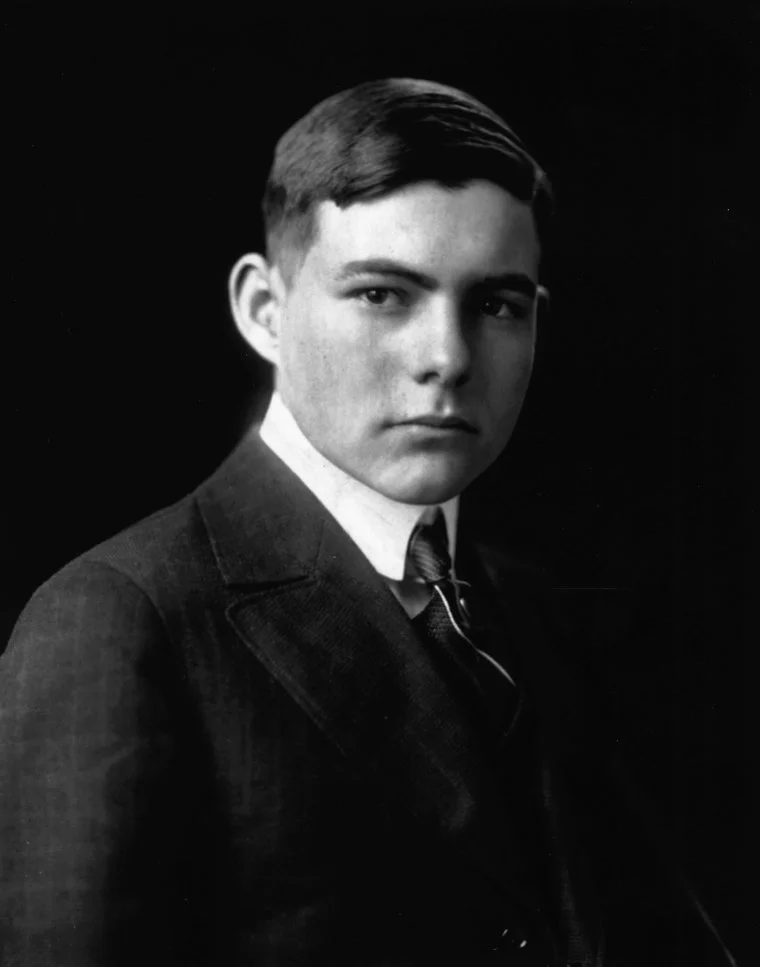
Ernest Hemingway in Chicago
In his article, “Ernest Hemingway in Chicago,” recently published in “Classic Chicago Magazine,” author Scott Holleran takes the reader on a tour of places and people around the world important throughout Hemingway’s life.

The Hemingway Family and the Influenza Epidemic
Grace Hall Hemingway was very close to her only sibling, Leicester Hall, and gave her last son her brother’s name—as she had given her first son his maternal grandfather’s name. Their correspondence (in the Hemingway family papers at the University of Texas) documents the mutual sensitivity and concern of Grace and her brother during and after the Spanish influenza period. This article is republished from the Hemingway Foundation Spring/Summer Dispatch 2008
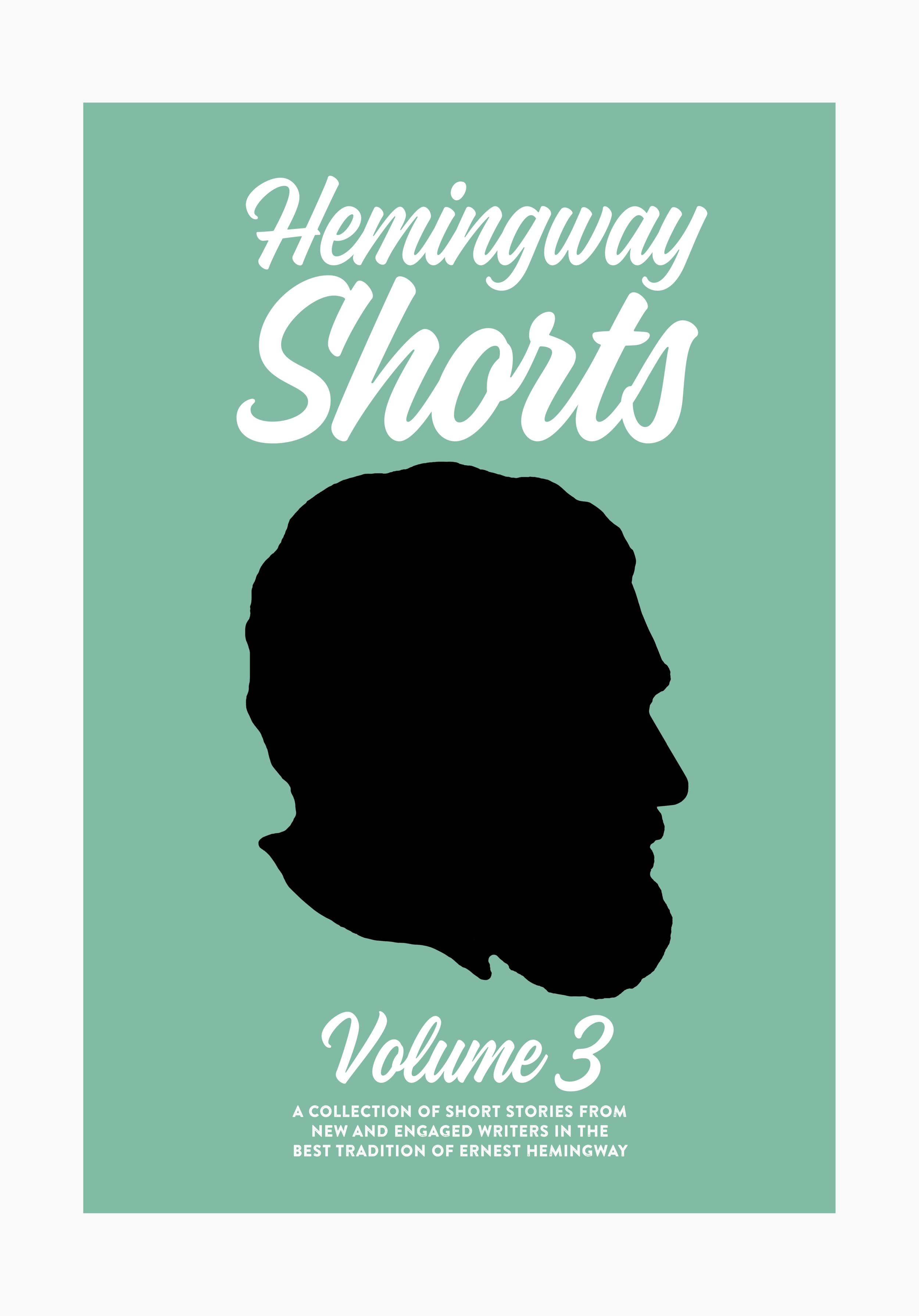
The Empty Chair by Veryan Williams-Wynn
We look back at the 2018 Hemingway Shorts award winning piece by Veryan Williams-Wynn of Devon, United Kingdom, for her stunning story “The Empty Chair,” a piece that deftly explores what we say and don’t say inside a long marriage.
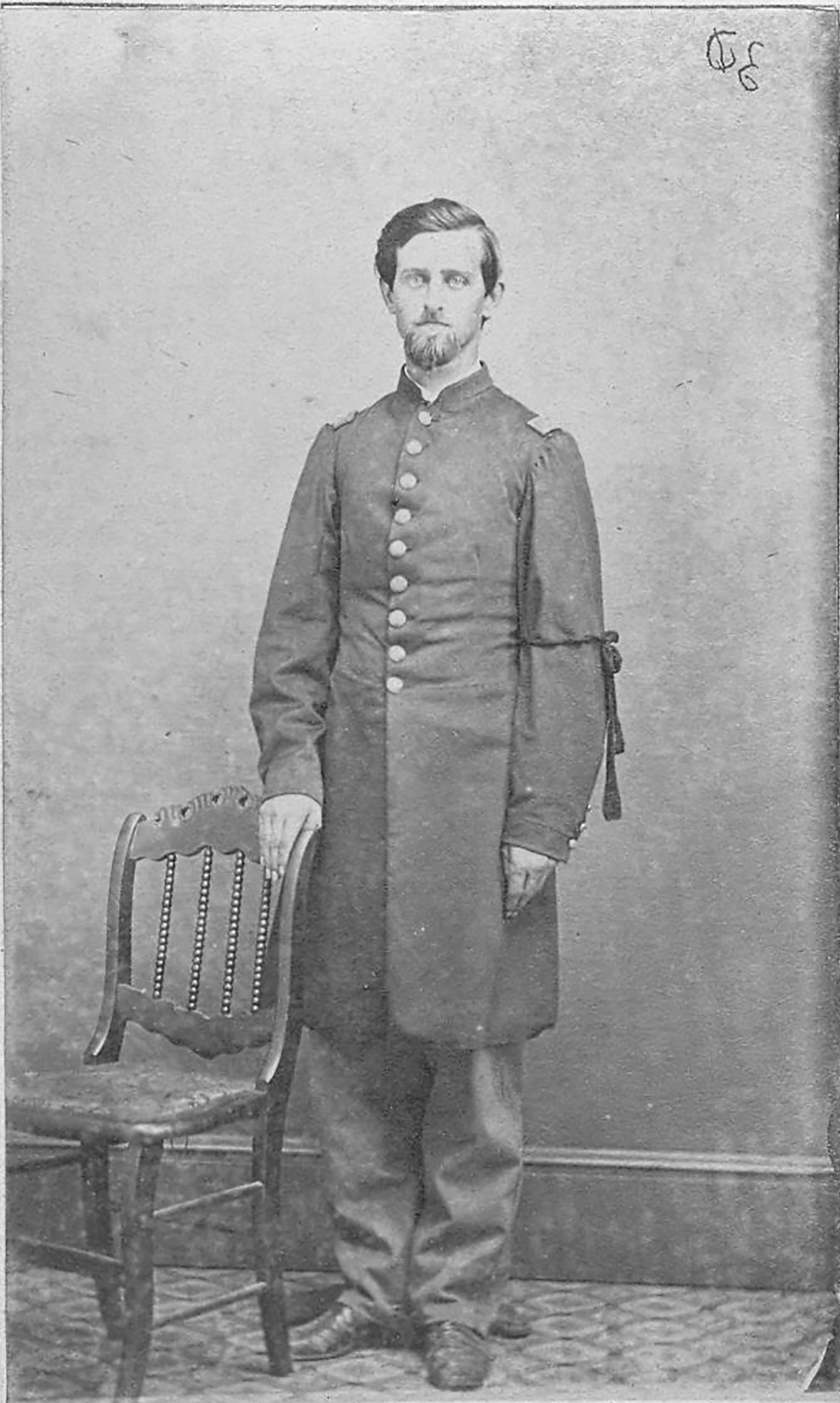
THE AMERICAN CIVIL WAR AND THE HEMINGWAY FAMILY
On January 1, 1863 the Emancipation Proclamation went into effect. By that date Allen and Harriet Louisa Tyler Hemingway, recent transplants from Connecticut to Illinois, had already buried one son and had two other sons serving in the Union Army.

Ernest Hemingway, Gertrude Stein and the American Library in Paris
In the closing years of World War I, 1917-1918, hundreds of American libraries, under an initiative of the American Library Association (ALA), launched the Library War Service, a project to send books to the doughboys fighting in the trenches. By the Armistice, nearly a million and a half books had been shipped to Europe.
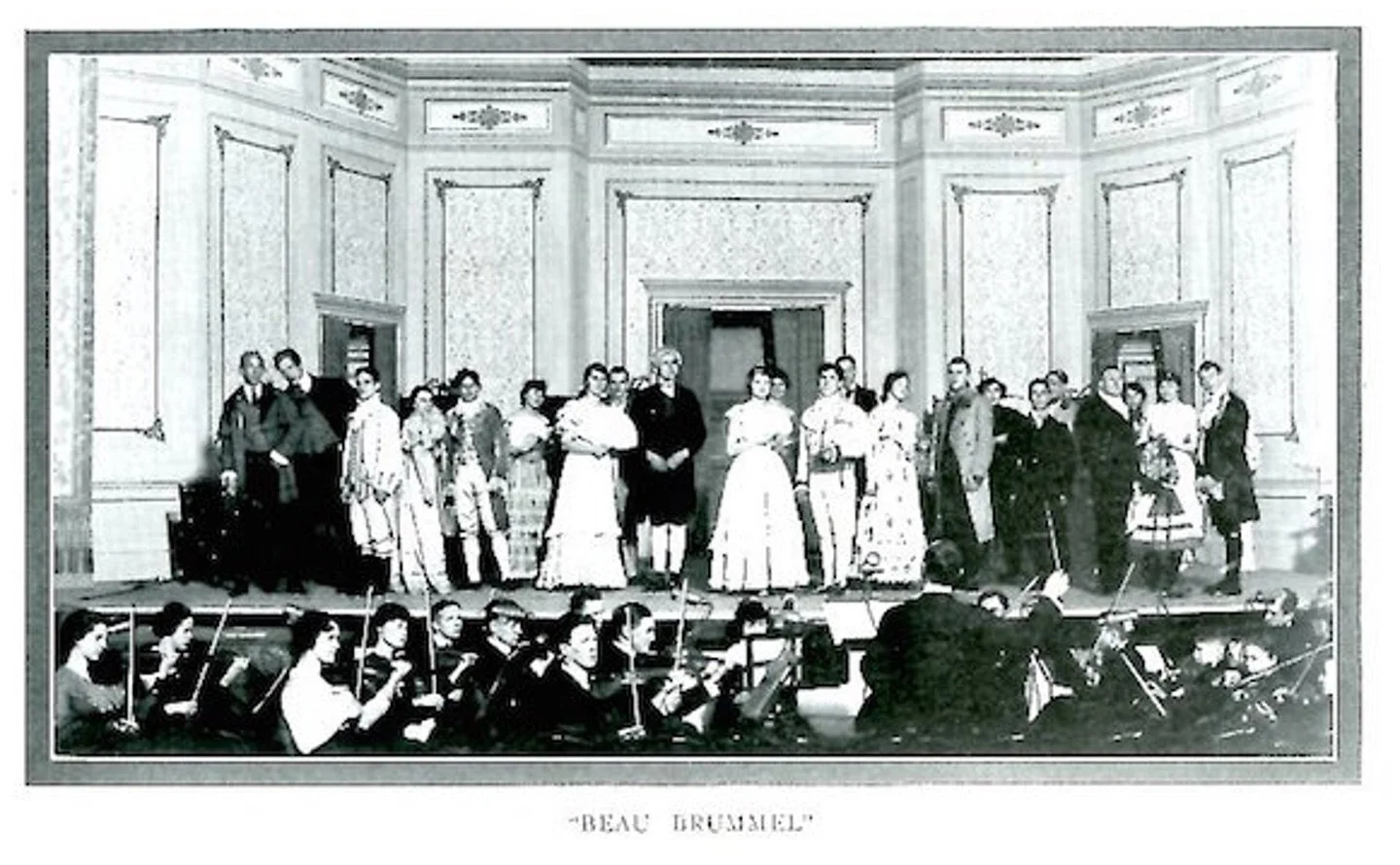
HEMINGWAY EXPELLED FROM SCHOOL! (Well, almost)
In 1917, while a senior at Oak Park High School, Hemingway got into a bit of trouble. He and some buddies got together and published an underground magazine called “Jazz Journal.” In the 1910s, “jazz” was by itself a suggestive word, carrying modern, even scandalous connotations (nightlife, sexual looseness).
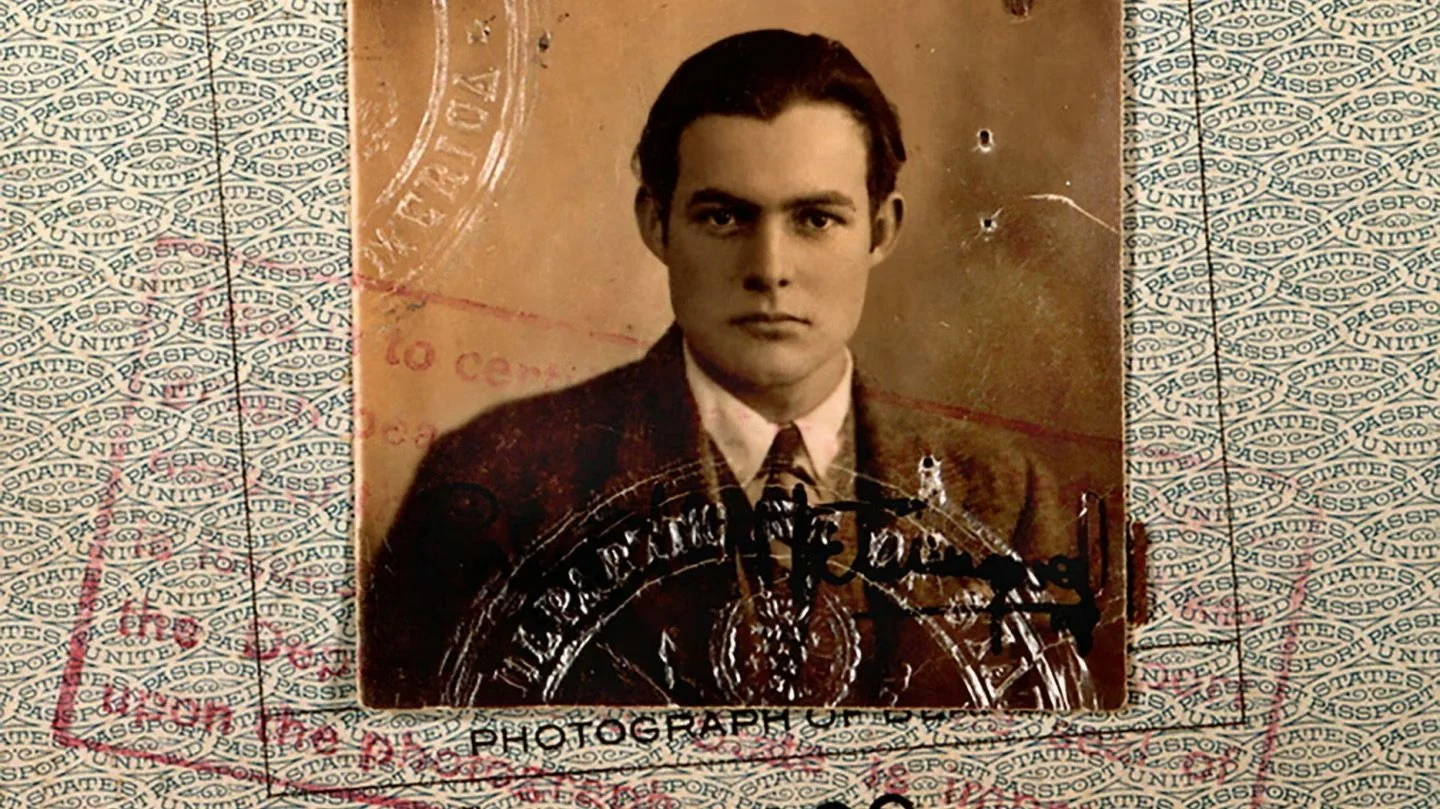
So I ignored him and wrote two sentences:Hemingway’s advice for lawyers and other writers in A Moveable Feast
He was sitting at the next table, a tall fat young man with spectacles. He had ordered a beer. I thought I would ignore him and see if I could write. So I ignored him and wrote two sentences.

Considering Cather and Hemingway: An Unlikely Pairing?
Speaking of Willa Cather, can anyone of our readers place this Hemingway quote? (Noting his bumping iambs, his simple declarative clauses, his monosyllabic repetitions, and the Bachian musicality in “made me bite my tongue,” “When the straw settled down,” or “from under the buffalo hide.”)

Teaching Hemingway and Faulkner in Unison
As the Director of the English Honors Program here at Western Kentucky University, I developed a course entitled “Honors Hemingway and Faulkner,” and I have taught this class each fall for over a decade.
Farming in Hemingway’s Family
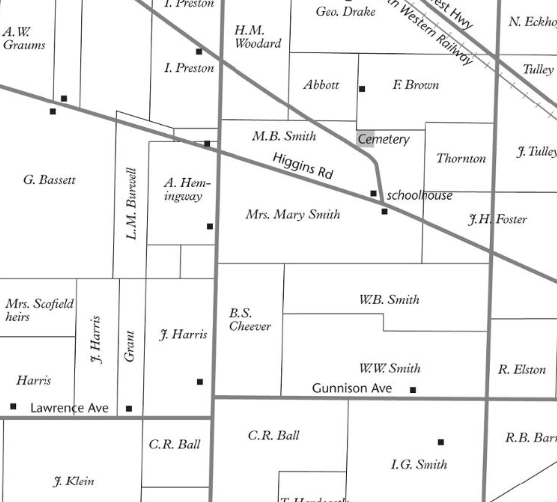
It was a pleasant Wendy's. I ordered a cup of coffee and took it out front to a cement table, just feet from gridlocked Harlem Avenue. Next door, cars rolled in and out of a Shell station at the corner of Higgins Road in northeast Illinois. To the West, stacks of empty balconies fronted a series of tall, brick apartment buildings. Thunderous Kennedy expressway traffic roared past in a gulch 200 feet to the north. I had arrived at the farm of Ernest Hemingway’s great-grandfather.